
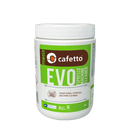
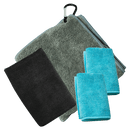
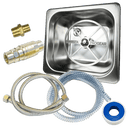


A coffee machine is really several pieces of equipment working together — a group head, a boiler, a grinder, a milk system — and each one collects a different kind of residue. Coffee oils turn rancid and coat group heads. Milk proteins and fats build up inside steam wands and automatic frothers. Hard water leaves scale on every heating element it touches. None of it is visible from the outside, and all of it changes how your coffee tastes long before the machine actually breaks down.
Cafetto has built a dedicated product for almost every one of these jobs, rather than one generic cleaner for everything, because each type of residue needs a different chemistry to shift it safely. This guide is the map: work out which part of your setup needs attention, then jump to the relevant guide below for the exact product, dose and method.
Start Here: What Needs Cleaning, and How Often
| Equipment | What builds up | How often | Full guide |
| Espresso group heads (traditional/lever/pump machines) | Coffee oils, grounds, staining | Daily | Espresso Machine Cleaning |
| Automatic/bean-to-cup machines | Coffee oils + internal brew unit residue | Per manufacturer schedule (often weekly) | Automatic Machine Cleaning |
| Milk lines, frothers, steam wands | Milk fat, protein, bacteria, milk-stone | Daily (frothers), after every session (wands) | Milk Cleaning Guide |
| Grinders | Coffee oils, stale grounds, flavour cross-contamination | Weekly, or when swapping bean origins | Grinder Cleaning Guide |
| Boilers, tanks, kettles | Limescale, hard-water calcium build-up | Every 1–3 months depending on water hardness | Descaling Guide |
| Batch brewers, urns, tea equipment | Coffee/tea oils and tannin staining | Weekly | Brewer & Tea Cleaning |
| Capsule machines | Capsule residue and scale | Monthly | Capsule Machine Cleaning |
| Home espresso setups | All of the above, at smaller scale | Weekly routine | Home Cleaning Kit Guide |
Why Use a Purpose-Built Cleaner at All
Coffee oil is fatty and clings to metal — it needs an alkaline detergent to break down and rinse away, which is why espresso and grinder cleaners are formulated the way they are. Milk residue is a mix of fat and protein and, left untreated, is a genuine food-safety risk, which is why the milk range is independently tested against bacteria like E. coli and Listeria. Limescale is a mineral deposit and needs an acid to dissolve — that's a completely different job again. Using the wrong type of cleaner (or none at all) either fails to remove the residue or, in the case of acids on the wrong surfaces, can damage machine components over time. Every Cafetto product on this site is formulated and tested for one of these specific jobs.
Certifications Worth Knowing
You'll see a few certification marks repeated across the range:
- NSF — tested and certified safe for use in commercial food service environments.
- ACO (Australian Certified Organic) / OMRI — certified as an allowed input in organic systems, relevant if you're running organic-certified beans through your equipment.
- Biodegradable formulations — several products are specifically formulated with readily biodegradable surfactants.
Read more in our Organic & Eco-Certified Cleaning guide.
Where to Go Next
Pick the guide that matches what you're cleaning today:
- Espresso Machine Cleaning: The Complete Group Head Guide
- Automatic & Bean-to-Cup Machine Cleaning Tablets Explained
- Milk Frother & Steam Wand Cleaning Guide
- Coffee Grinder Cleaning: Why, When and How
- Descaling Your Coffee Machine
- Cleaning Batch Brewers, Urns & Tea Equipment
- How to Clean a Capsule Coffee Machine
- Home Espresso Machine Cleaning Kit Guide
- Organic & Eco-Certified Coffee Machine Cleaning
- Barista Cleaning Accessories & Daily Routine Checklist
Browse the full range: Shop Cafetto at Barista Supplies